Single-Cylinder Hydraulic Cone Crusher Selection Guide: From Crushing Chamber to Capacity Matching
OmniMech Engineering Team
omnimech Team
Why Single-Cylinder Cone Crusher Selection Is More Critical Than You Think
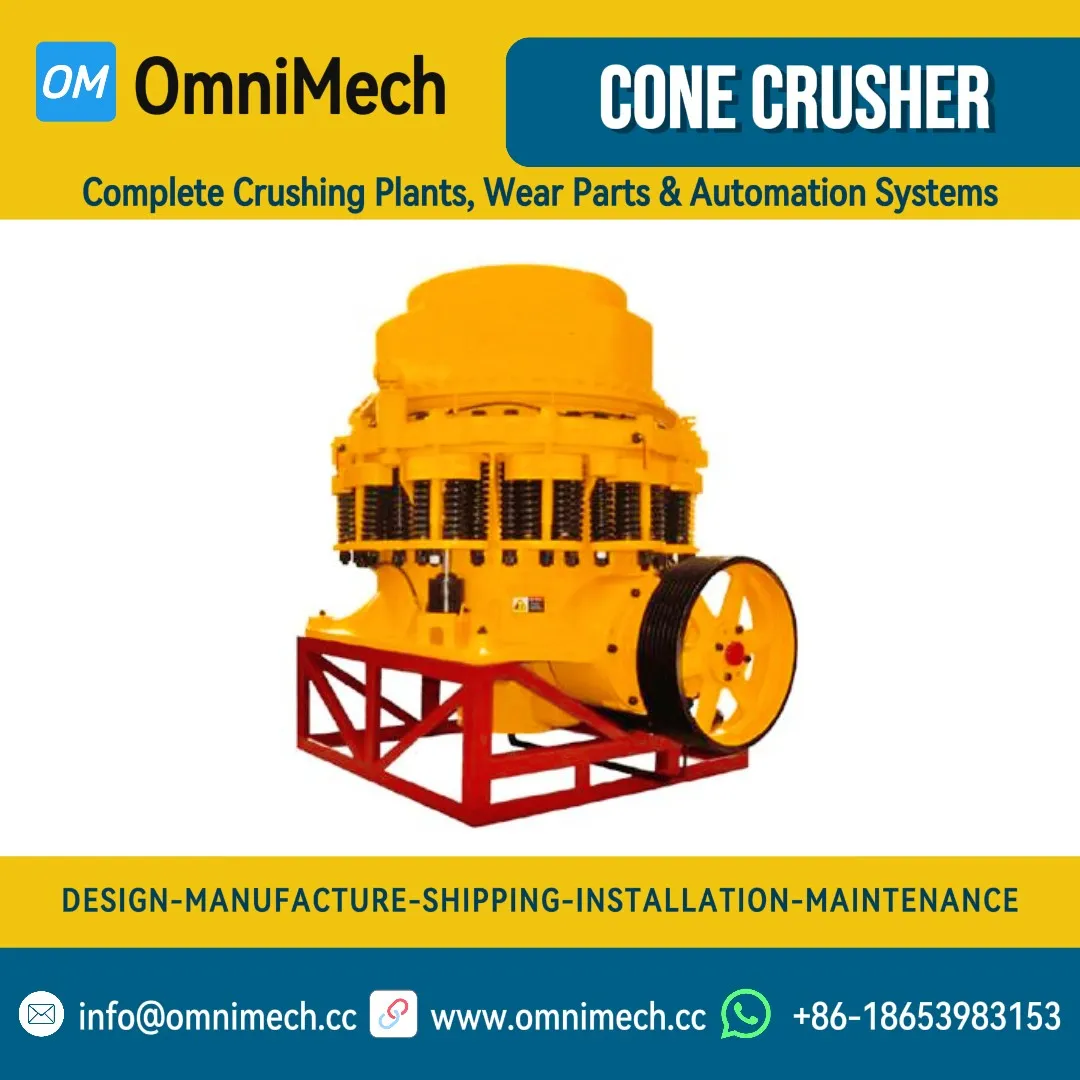
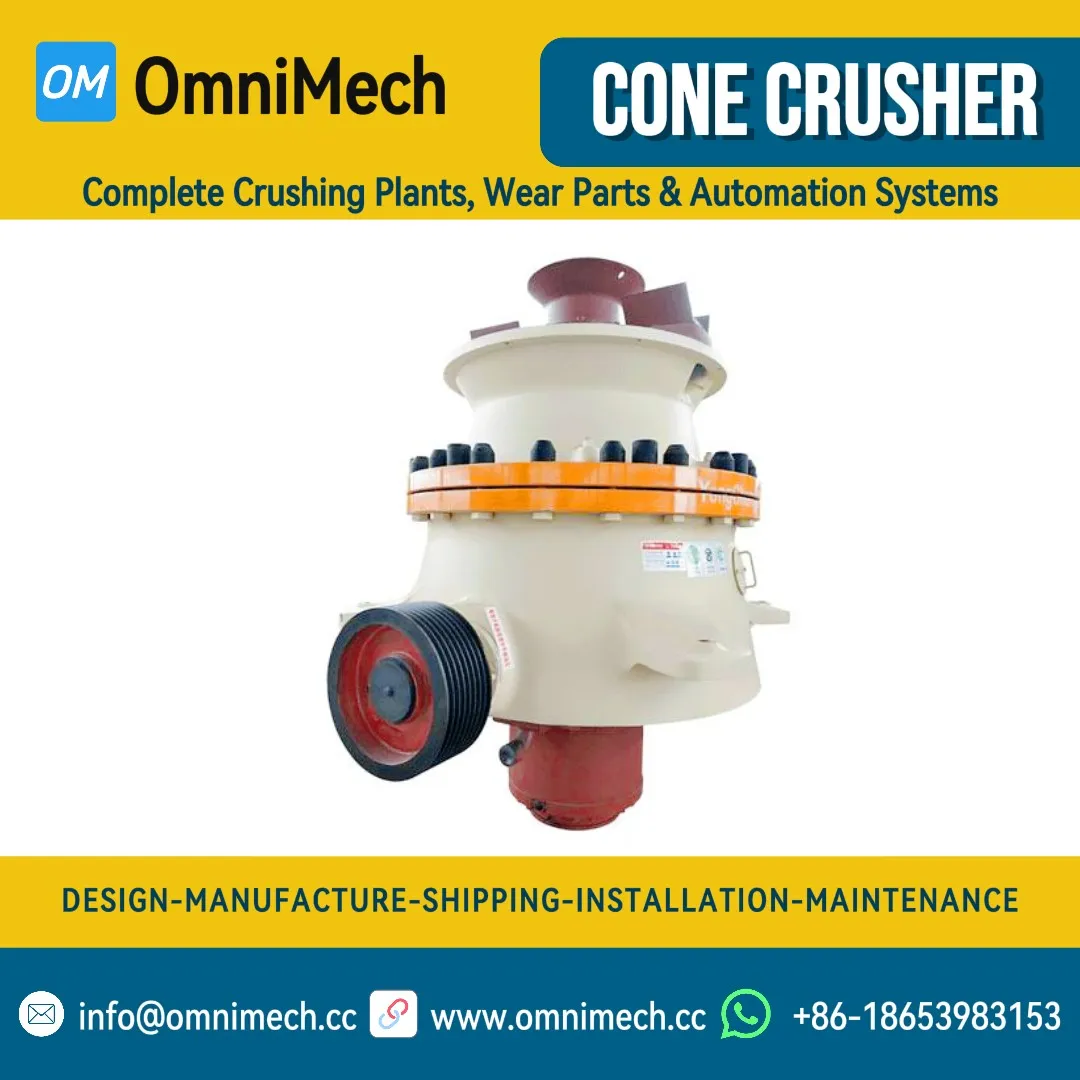
The Single-Cylinder Hydraulic Cone Crusher (SCHC) is today’s absolute workhorse for secondary and tertiary crushing of hard rock. It combines high reduction ratio, intelligent CSS adjustment, and excellent product shape from inter-particle crushing — making it irreplaceable in granite, basalt, and iron ore processing circuits.
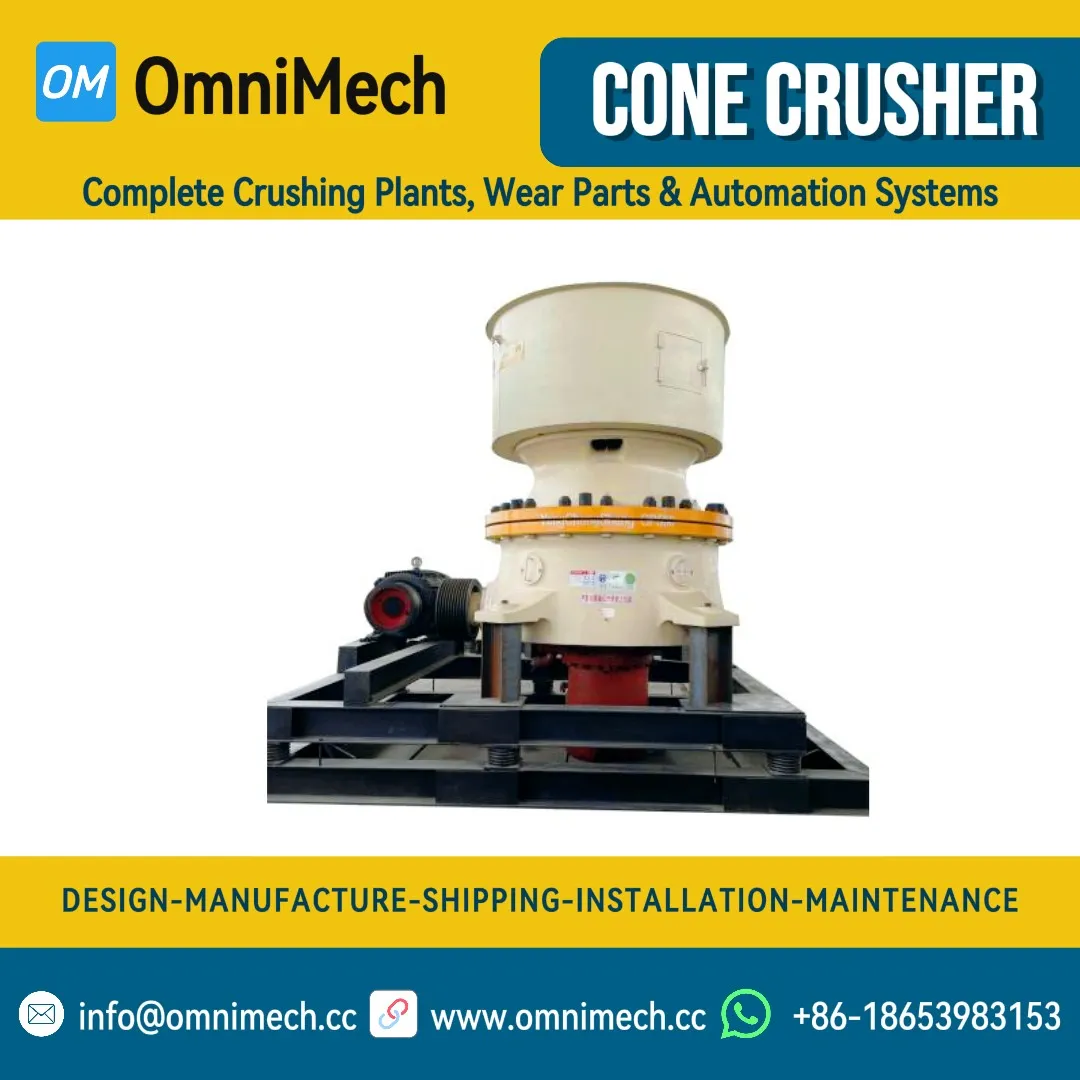
However, selecting a single-cylinder cone crusher is far more complex than choosing a jaw crusher — it involves not just model size, but crushing chamber type, liner material, stroke setting, and Closed Side Setting (CSS) as interacting parameters. The cost of a wrong selection is steep:
- Mismatched chamber → capacity reaches only 50%-60% of rated throughput
- Wrong liner material → service life drops 40%+, per-ton costs soar
- Improper CSS → product size drifts, closed-circuit recirculating load surges
This guide provides a practical engineering methodology across six dimensions: working principles, chamber selection, key parameters, liner matching, application scenarios, and model recommendations.
How Single-Cylinder Hydraulic Cone Crushers Work
2.1 Core Crushing Action: Eccentric Inter-Particle Crushing
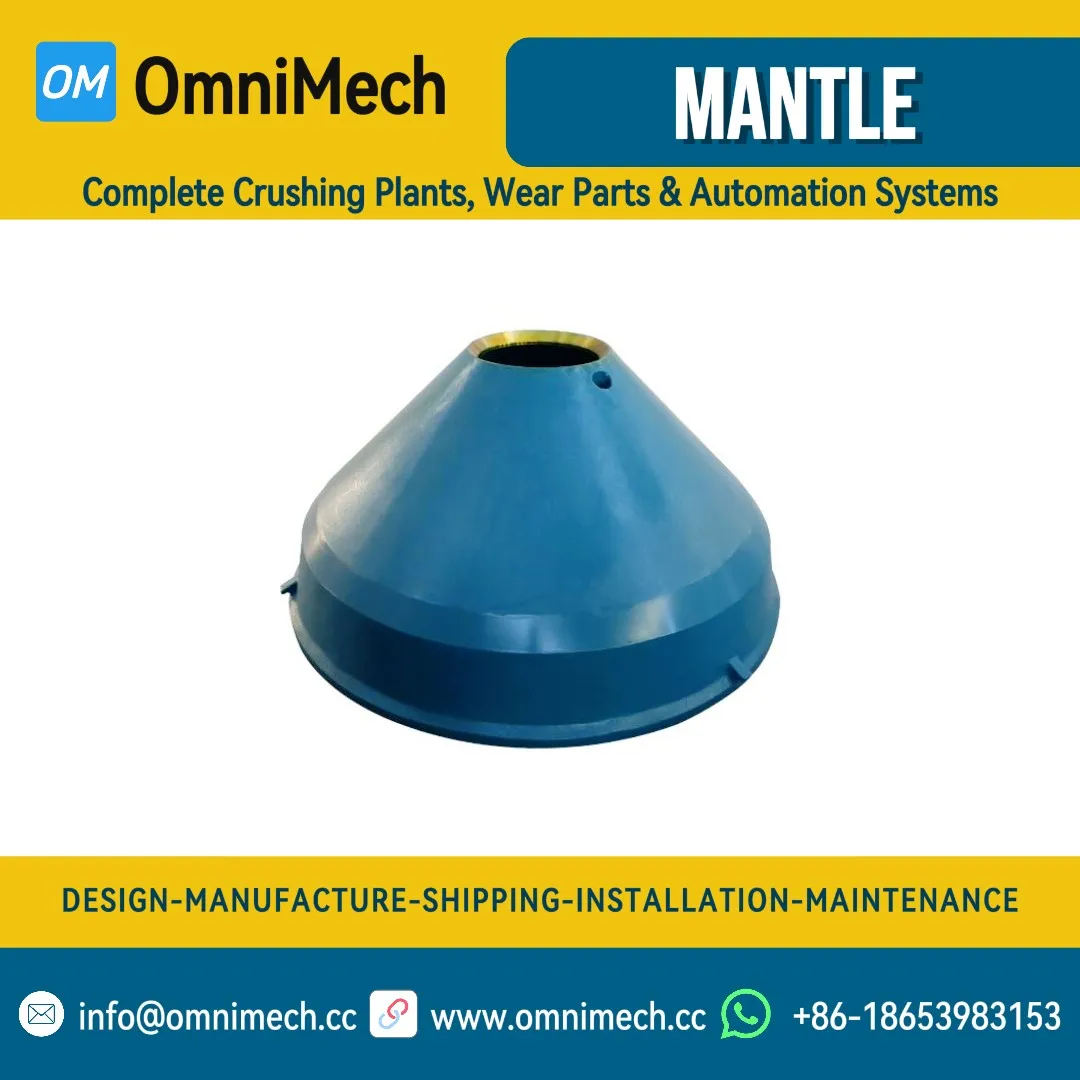
The core motion of a single-cylinder cone crusher is driven by the eccentric sleeve. The motor drives the eccentric sleeve to rotate around the main shaft centerline via belt pulley and gear transmission. The eccentricity causes the mantle (moving liner) to undergo an eccentric gyratory motion. Material fed into the crushing chamber from above is repeatedly compressed, flexed, and sheared between the mantle and concave (stationary liner).
Unlike the “impact crushing” of an HSI crusher, the cone crusher’s primary crushing force is layer compression — material forms a dense bed inside the chamber where particles crush each other through inter-particle compression. This gives cone crushers far superior wear part life and specific energy efficiency compared to impact crushers when processing high-hardness materials.
2.2 What “Single-Cylinder” Means
“Single-cylinder” refers to the bottom single hydraulic cylinder that simultaneously performs three critical functions:
- CSS Adjustment: The hydraulic cylinder raises and lowers the main shaft, precisely controlling the gap between mantle and concave (CSS) with adjustment accuracy of ±0.5 mm
- Tramp Iron Protection: When uncrushable material (e.g., shovel teeth, drill bits) enters the chamber, the cylinder instantly releases pressure allowing the mantle to drop — the tramp iron passes through and the system automatically resets
- Cavity Clearing: When changing liners or clearing blockages, the cylinder raises the mantle to its highest position, fully opening the crushing chamber for easy manual access
Advantage over spring cone crushers: Unlike the PYB1200 Spring Cone Crusher which requires manual CSS adjustment and shutdown for cavity clearing, the single-cylinder model’s hydraulic adjustment can be performed in real-time under load, dramatically reducing downtime.
Crushing Chamber Selection — The First Decision
The chamber type directly determines feed size, reduction ratio, and product size distribution. The GP series offers four standard chamber types:
3.1 Chamber Comparison
| Chamber | Characteristics | Max. Feed Size | Typical Application | Recommended Position |
|---|---|---|---|---|
| EC (Extra-Coarse) | Largest feed opening, longest stroke | Up to 370 mm | Coarse feed secondary crushing | Secondary (alternative to C) |
| C (Coarse) | Large feed opening, moderate reduction | Up to 260 mm | Standard secondary crushing | Secondary (mainstream choice) |
| M (Medium) | Medium feed opening, high reduction | Up to 185 mm | Secondary/tertiary crushing | Secondary or Tertiary |
| F (Fine) | Small feed opening, maximum reduction | Up to 110 mm | Tertiary crushing | Tertiary |
3.2 Core Principles for Chamber Selection
Principle 1: Feed Size Determines Chamber
Feed size must not exceed 85% of the chamber’s rated maximum feed size. Using GP300 as an example:
- Upstream PE-750×1060 jaw crusher, CSS set at 150 mm → output P80 ≈ 200 mm → select C chamber (max. feed 260 mm)
- Upstream PE-600×900 jaw crusher, CSS set at 80 mm → output P80 ≈ 120 mm → M chamber possible (max. feed 185 mm)
Principle 2: Product Size Determines Chamber
- Need 0-20 mm product → F chamber
- Need 0-31.5 mm product → M chamber
- Need 0-40 mm product → C chamber
Principle 3: Secondary Uses C/EC, Tertiary Uses M/F
This is the simplest engineering rule of thumb. Secondary crushing needs to accept jaw crusher output with larger blocks — C or EC chamber is standard. Tertiary crushing needs finer product — M or F chamber is standard.
Six Key Selection Parameters
4.1 Material Hardness and Abrasiveness
The core strength of single-cylinder cone crushers is processing high-hardness, high-abrasiveness materials — exactly where impact crushers fall short:
| Material Type | Mohs Hardness | Abrasion Index | HSI Suitable? | SCHC Suitable? |
|---|---|---|---|---|
| Granite | 6-7 | High | ❌ Extreme blow bar wear | ✅ Core strength |
| Basalt | 6-7 | High | ❌ Not recommended | ✅ Core strength |
| Iron Ore | 5.5-6.5 | High | ❌ Not recommended | ✅ Standard for processing plants |
| Copper Ore | 3.5-4 | Medium | ⚠️ Possible | ✅ Better choice |
| Limestone | 3-4 | Low | ✅ Perfect fit | ⚠️ Overkill |
| River Gravel | 6-7 | Medium-High | ❌ Not recommended | ✅ Suitable |
Engineering Tip: When material Mohs hardness ≥ 5 or abrasion index is elevated, the single-cylinder cone crusher is the first choice for secondary/tertiary crushing. For soft rock like limestone, consider the PF-1315 Impact Crusher instead — lower capital and operating costs.
4.2 Feed Size and Closed-Circuit Recirculation
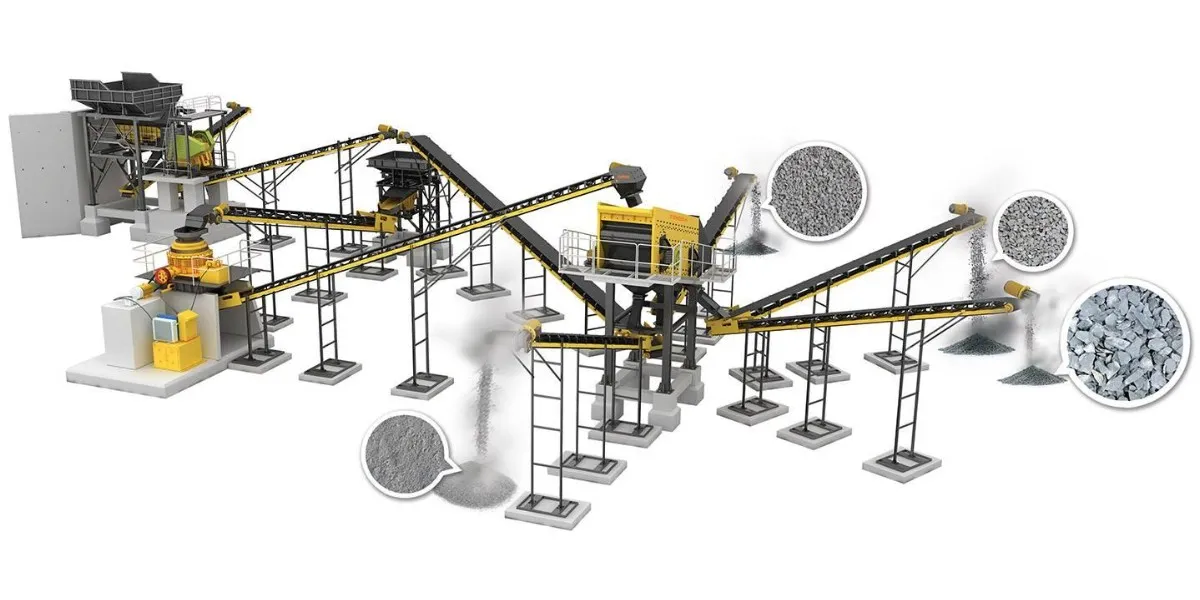
Single-cylinder cone crushers typically operate in closed-circuit with vibrating screens. Oversize material is returned to the cone crusher for re-crushing, while undersize passes to the next stage or finished product bins.
The key metric is the circulating load ratio:
- Normal circulating load: 100%-200% (recirculated material equals 1-2× new feed)
- Excessive circulating load (>250%): CSS too large or chamber mismatch — excessive oversize in product
- Low circulating load (<80%): CSS too small or insufficient feed — capacity underutilized
Engineering Tip: For closed-circuit screening, we recommend the 3YK1545 Circular Vibrating Screen with screen aperture set at 1.1-1.2× the maximum product size.
4.3 Capacity (Throughput)
Rated capacity of single-cylinder cone crushers is significantly affected by:
| Factor | Capacity Impact |
|---|---|
| Material hardness | Each hardness level increase → 5%-10% capacity drop |
| CSS setting | CSS reduced 10% → ~15%-20% capacity drop |
| Chamber type | F chamber capacity ≈ 60%-70% of C chamber |
| Liner wear | Late-stage liner wear → 15%-25% capacity drop |
| Feed uniformity | Off-center feeding → 20%-30% capacity drop |
Selection Calculation Example:
A granite aggregate line requires 200 t/h (closed-circuit). Applying a 0.75 combined duty factor, required open-circuit rated capacity = 200 ÷ 0.75 ≈ 267 t/h. Comparing GP series C chamber rated capacities:
- GP11: 35-140 t/h → ❌ Severely insufficient
- GP220: 85-310 t/h → ⚠️ Marginal — not enough margin
- GP300: 145-460 t/h → ✅ Ample — recommended
- GP330: 140-590 t/h → ✅ Ample — larger feed size capability
- GP500: 320-1010 t/h → ⚠️ Oversized — low-load efficiency
Engineering Tip: The GP300 Single-Cylinder Cone Crusher is the “golden model” for 200 t/h-class hard rock lines — the optimal balance of capacity and investment.
4.4 Closed Side Setting (CSS)
CSS is the single most critical adjustable parameter on a single-cylinder cone crusher. It directly determines:
- Product size: Smaller CSS = finer product
- Throughput: Smaller CSS = lower capacity
- Liner life: CSS too small → thin material bed → accelerated localized liner wear
- Circulating load: CSS too large → high oversize ratio → increased recirculation
CSS Setting Recommendations:
| Crushing Stage | Recommended CSS Range | Product P80 |
|---|---|---|
| Secondary (C chamber) | 20-38 mm | 40-60 mm |
| Tertiary (M chamber) | 10-22 mm | 20-35 mm |
| Tertiary (F chamber) | 6-16 mm | 12-25 mm |
Key Reminder: The single-cylinder cone crusher’s CSS can be adjusted in real-time via the hydraulic system while running — a massive advantage over spring cone crushers. When liner wear causes CSS to increase, the system can automatically compensate back to the set value.
4.5 Stroke and Speed
Stroke is the single-throw distance of the mantle during one eccentric sleeve revolution. The GP series stroke can be optimized for different chambers:
- Long stroke: Suited for coarse chambers (C/EC) — increases crushing force and throughput
- Short stroke: Suited for fine chambers (M/F) — improves product size uniformity
Eccentric sleeve speed (RPM) affects material throughput rate in the crushing chamber. GP series speeds typically range from 300-450 r/min — higher speeds increase crushing events per unit time but also accelerate wear.
4.6 Motor Power and Energy Consumption
| Model | Motor Power | Rated Capacity Range | Est. Specific Energy |
|---|---|---|---|
| GP11 | 132 kW | 35-140 t/h | 0.9-3.0 kWh/t |
| GP220 | 160-200 kW | 85-310 t/h | 0.6-1.9 kWh/t |
| GP300 | 220 kW | 145-460 t/h | 0.5-1.3 kWh/t |
| GP330 | 250 kW | 140-590 t/h | 0.4-1.5 kWh/t |
| GP500 | 280 kW | 320-1010 t/h | 0.3-0.7 kWh/t |
Engineering Tip: Larger models deliver significantly lower specific energy consumption at full load. The GP500’s per-ton energy cost is only 1/3 to 1/4 of the GP11’s. When capacity matches, sizing up rather than down is an effective strategy for reducing long-term energy costs.
Liner Material Selection — The Core of Operating Costs
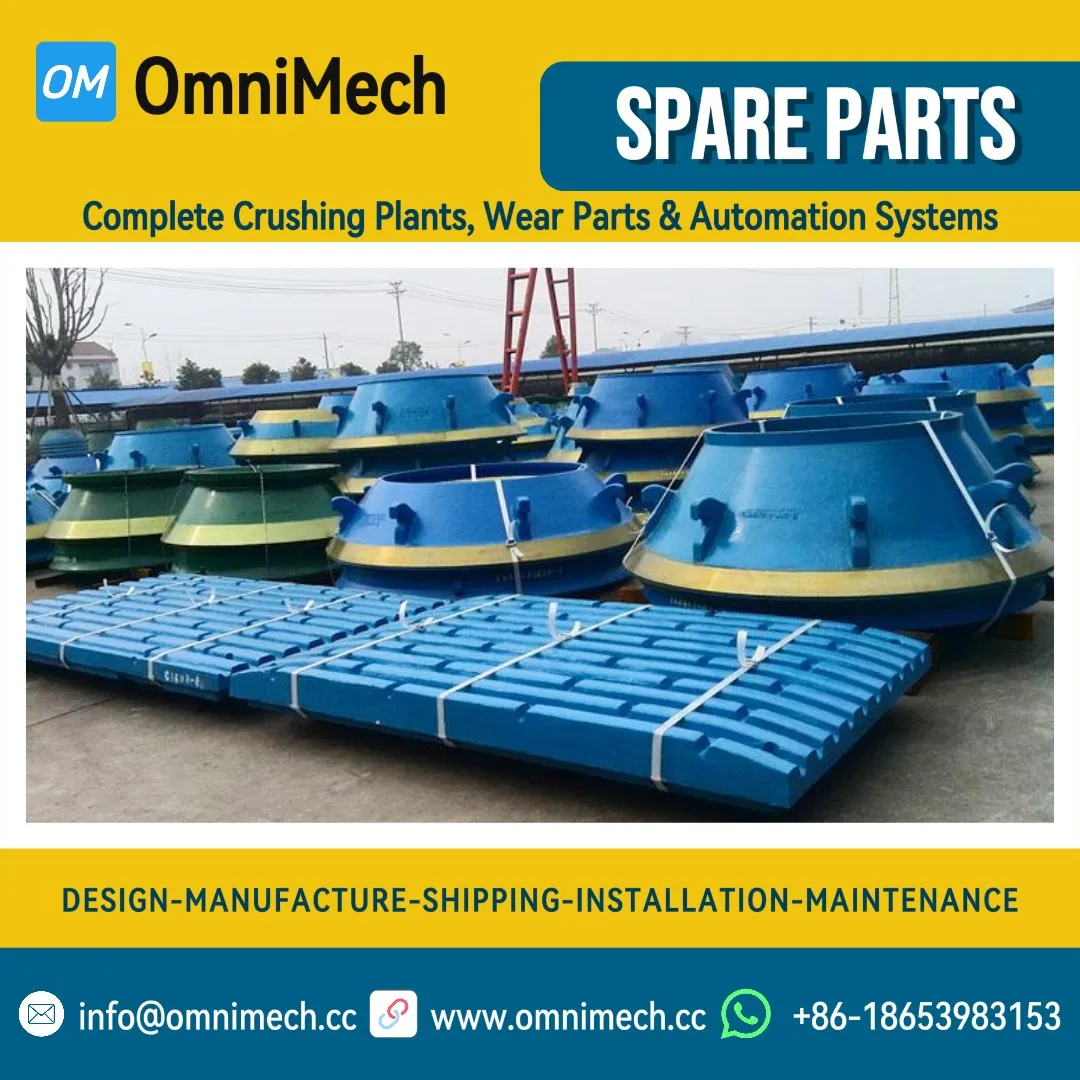
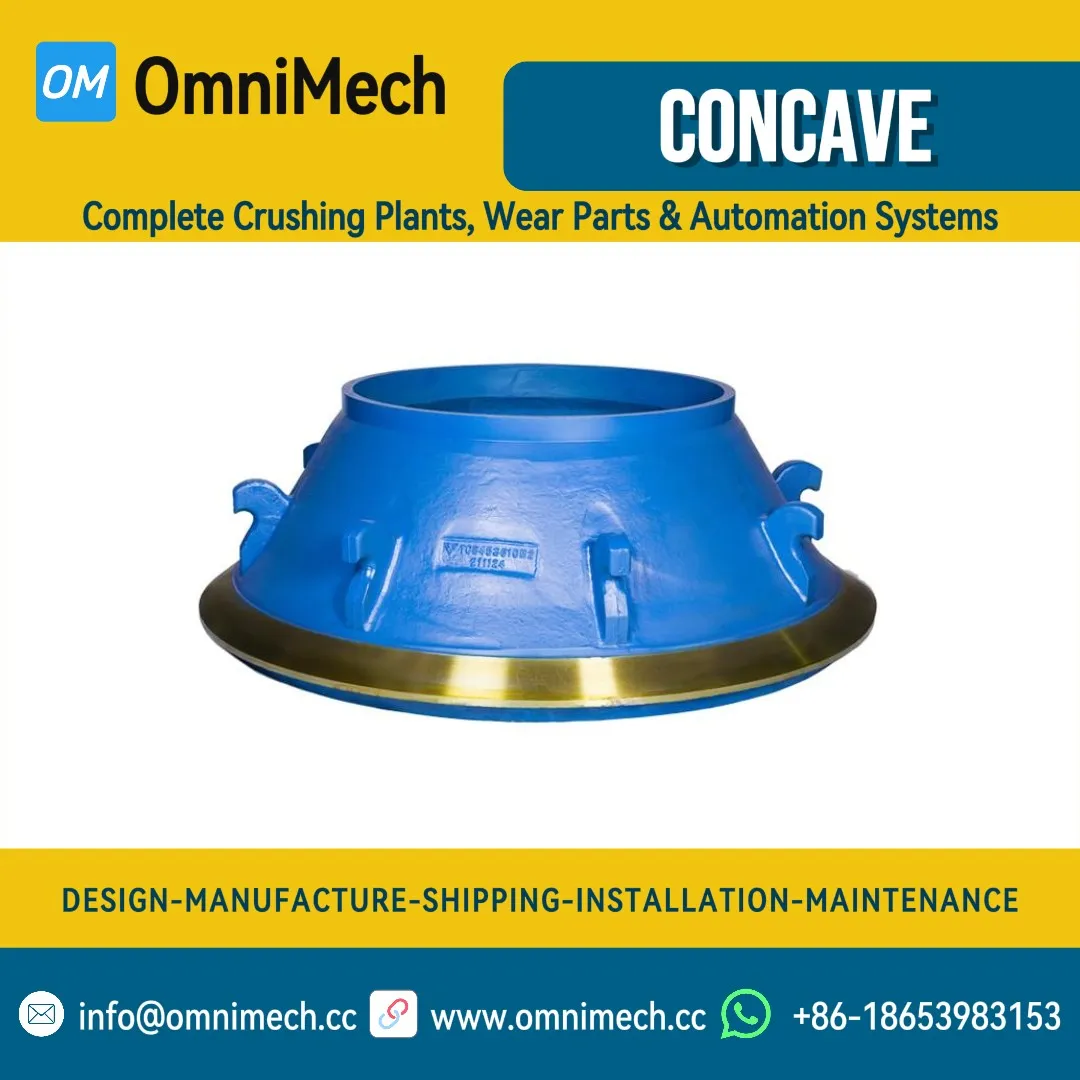
Liners (mantle + concave) are the most critical wear parts in a single-cylinder cone crusher, accounting for 40%-60% of total operating costs.
5.1 Material Types and Applications
| Material | Hardness (HB) | Best Application | Expected Life (Granite) | Per-Ton Cost |
|---|---|---|---|---|
| Mn13Cr2 | 220-260 | Medium impact, medium abrasion | 600-1,200 hours | Medium |
| Mn18Cr2 | 260-300 | High impact, high abrasion | 1,000-1,800 hours | Medium-Low |
| Mn22Cr2 | 300-340 | Extreme abrasion | 1,500-2,500 hours | Low |
| Alloy Steel | HRC 40-50 | Fine crushing, low impact | 800-1,500 hours | Medium |
5.2 Core Principles for Liner Selection
Principle 1: Hard Rock Uses High-Manganese Steel, Soft Rock Uses Alloy Steel
For high-impact applications like granite, basalt, and iron ore, high-manganese steel’s work-hardening property continuously increases surface hardness during operation — far outlasting alloy steel. For low-impact limestone applications, high-manganese steel cannot fully work-harden, and alloy steel’s initial hardness advantage becomes more effective.
Principle 2: Coarse Crushing Uses Thick Liners, Fine Crushing Uses Thin Liners
C and EC chamber liners are thicker and heavier to withstand large-block impact; F chamber liners are thinner and more precise to ensure fine crushing accuracy.
Principle 3: Focus on Liner Utilization Rate
Standard liners achieve approximately 55%-65% metal utilization — when wear prevents CSS compensation from maintaining product size, the liner must be replaced even though significant metal remains. Choosing thickened liners can increase utilization to 70%-80%, significantly reducing per-ton liner costs.
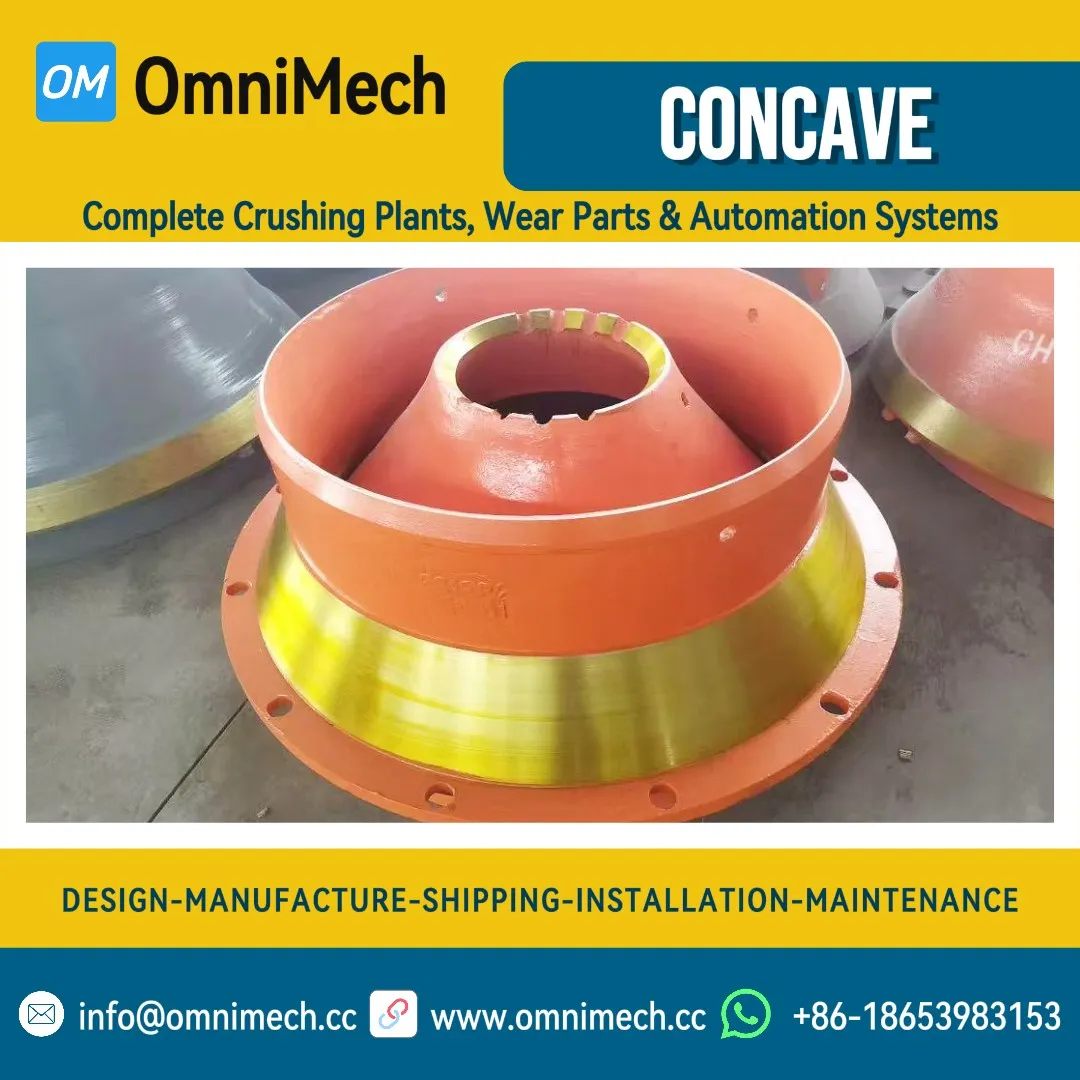
Procurement Tip: We supply OEM high-manganese and alloy steel liners for the entire GP series, available in Mn13Cr2/Mn18Cr2/Mn22Cr2 grades. See the GP500 Single-Cylinder Cone Crusher parts information for details.
Single-Cylinder vs. Multi-Cylinder vs. Spring — How to Choose?
This is the most common confusion in cone crusher selection. Each type has its own positioning:
| Comparison | Single-Cylinder (GP Series) | Multi-Cylinder (HP Series) | Spring (PY Series) |
|---|---|---|---|
| CSS Adjustment | ✅ Hydraulic, under load | ✅ Hydraulic, under load | ❌ Manual, shutdown required |
| Tramp Iron Protection | ✅ Hydraulic auto-reset | ✅ Hydraulic auto-reset | ⚠️ Spring compression, manual reset |
| Cavity Clearing | ✅ Hydraulic full-open | ✅ Hydraulic full-open | ❌ Manual clearing |
| Product Shape | Good | ✅ Excellent (fuller layer crushing) | Fair |
| Reduction Ratio | High | ✅ Higher | Medium |
| Capital Cost | Medium | High | Low |
| Maintenance Complexity | Medium | Higher | Low |
| Best Application | General-purpose, broad coverage | Premium aggregates, demanding shape specs | Limited budget, simple duty |
Selection Recommendations:
- Pursuing ultimate product shape and high reduction ratio → HP300 Multi-Cylinder Cone Crusher
- Seeking best overall value and intelligent control → GP Series single-cylinder (focus of this guide)
- Limited budget, simple operating conditions → PYB1200 Spring Cone Crusher
Typical Application Scenarios and Model Recommendations
Scenario 1: Small-to-Medium Granite Aggregate Line (100-180 t/h)
Recommended Configuration: PE-600×900 Jaw Crusher + GP220 Single-Cylinder Cone Crusher (C chamber) + 3YK1545 Vibrating Screen
- Feed: Granite run-of-mine, max. 500 mm
- Primary crushing: PE-600×900, CSS 80-100 mm, output P80 ≈ 120 mm
- Secondary crushing: GP220 C chamber, CSS 22-30 mm, output 0-40 mm
- Closed-circuit screening: 3YK1545, aperture 31.5 mm
- Investment advantage: GP220 motor only 160 kW, machine weight 11.5 t — low civil and electrical investment
Scenario 2: Medium Hard Rock Aggregate Line (180-300 t/h)
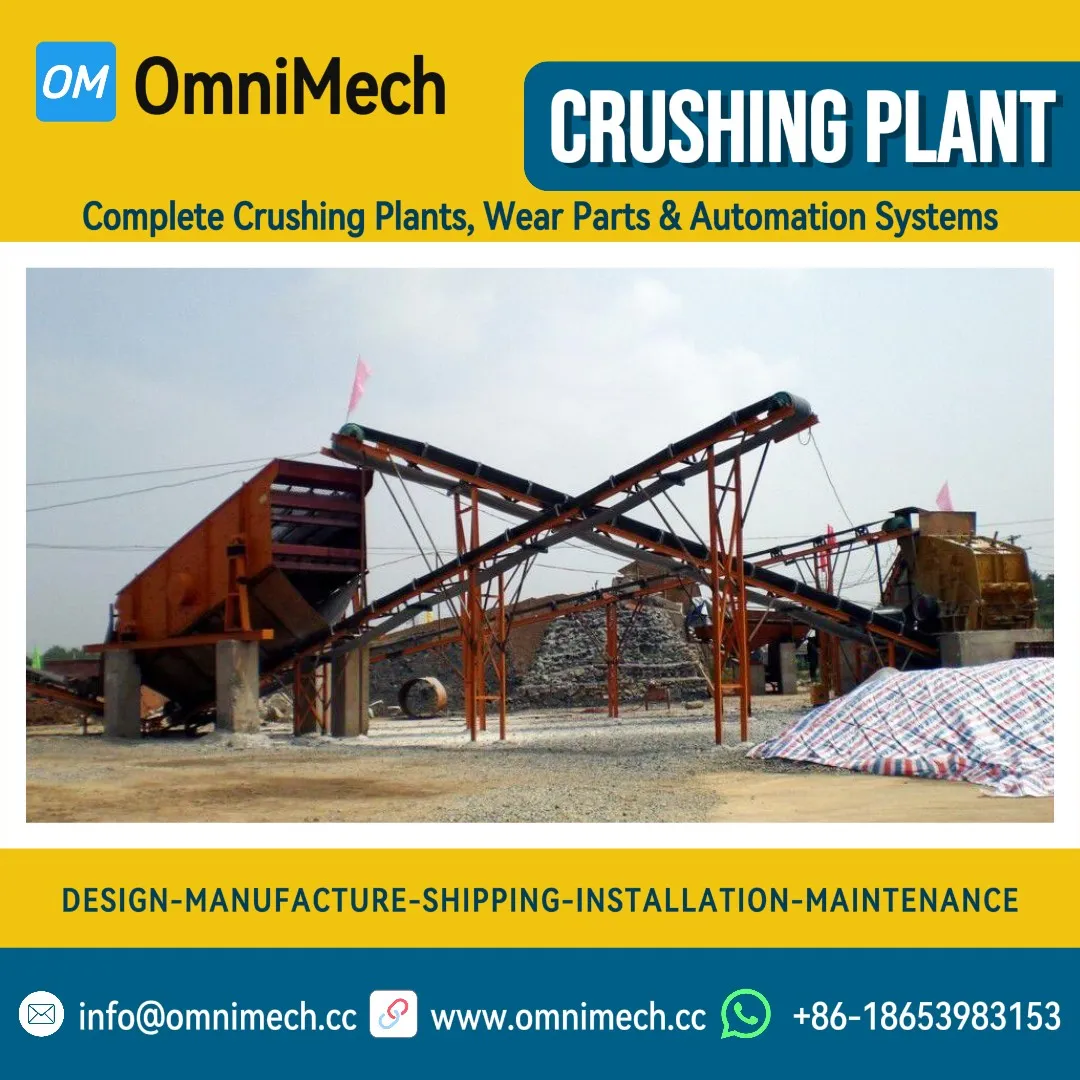
Recommended Configuration: PE-750×1060 Jaw Crusher + GP300 Single-Cylinder Cone Crusher (C chamber) + 3YK1860 Vibrating Screen
- Feed: Granite/basalt, max. 630 mm
- Primary crushing: PE-750×1060, CSS 130-160 mm, output P80 ≈ 200 mm
- Secondary crushing: GP300 C chamber, CSS 25-35 mm, output 0-45 mm
- Investment advantage: GP300 is the “golden model” for 200 t/h-class hard rock lines — optimal capacity-to-investment balance
Scenario 3: Large Metal Mine Processing Plant (300-500 t/h)
Recommended Configuration: PE-900×1200 Jaw Crusher + GP330 Single-Cylinder Cone Crusher (EC chamber) + GP300 (F chamber) + Vibrating Screens
- Feed: Iron ore/copper ore, max. 750 mm
- Primary crushing: PE-900×1200, output P80 ≈ 250 mm
- Secondary crushing: GP330 EC chamber, CSS 30-38 mm, output 0-55 mm
- Tertiary crushing: GP300 F chamber, CSS 10-16 mm, output 0-20 mm
- Investment advantage: EC+F dual-stage configuration achieves efficient progressive size reduction from 250 mm to 20 mm
Scenario 4: Ultra-Large Mine and Aggregate Line (500-800 t/h)
Recommended Configuration: PE-1200×1500 Jaw Crusher + GP500 Single-Cylinder Cone Crusher (C chamber) + 2×3YK1860 Vibrating Screens
- Feed: High-hardness ore/rock, max. 1000 mm
- Primary crushing: PE-1200×1500, output P80 ≈ 280 mm
- Secondary crushing: GP500 C chamber, CSS 25-38 mm, output 0-50 mm
- Investment advantage: GP500 capacity up to 1,010 t/h — the flagship choice for ultra-large projects
Scenario 5: Mobile Crushing Plant (80-140 t/h)
Recommended Configuration: GP11 Compact Single-Cylinder Cone Crusher (M chamber) + Vibrating Feeder + Small Vibrating Screen
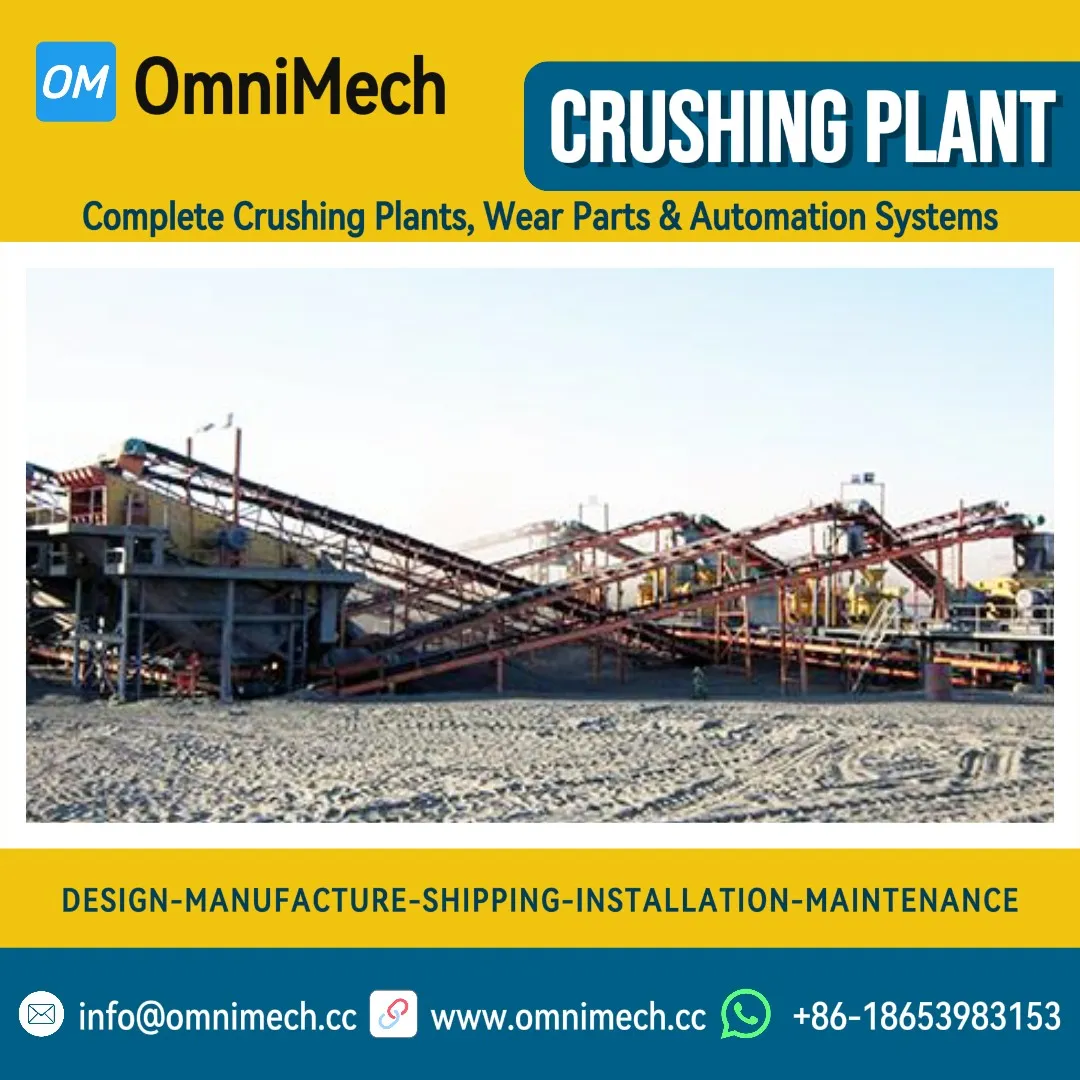
- GP11 weighs only 10.8 t, motor 132 kW
- Compact structure — easy to integrate onto mobile crusher chassis
- M chamber handles both secondary and tertiary duties, producing 0-25 mm product in a single stage
- Investment advantage: Minimal footprint — ideal for mobile applications
Selection Decision Flowchart
Start Selection
  │
  ├─ Material Mohs hardness < 5 and low abrasion? ──YES──→ Consider impact crusher
  │                                                     (See PF series)
  │
  ├─ NO (hardness ≥ 5 or high abrasion)
  │    │
  │    ├─ Design capacity ≤ 140 t/h? ──→ GP11 (M/F chamber)
  │    ├─ Design capacity 85-310 t/h? ──→ GP220 (C/M chamber)
  │    ├─ Design capacity 145-460 t/h? ──→ GP300 (C/M/F chamber)
  │    ├─ Design capacity 140-590 t/h with large feed? ──→ GP330 (EC/C chamber)
  │    └─ Design capacity 320-1010 t/h? ──→ GP500 (C/EC chamber)
  │
  ├─ Pursuing ultimate product shape? ──→ HP300 Multi-Cylinder Cone Crusher
  │
  └─ Limited budget? ──→ PYB1200 Spring Cone Crusher
Common Selection Mistakes
Mistake 1: “Cone crushers can crush anything”
Cone crushers perform poorly with high clay content, high moisture materials — mud cakes up inside the crushing chamber, blocks the discharge opening, and causes stall-outs. Materials with >5% clay content must be washed or de-slimed before crushing.
Correct approach: Install a ZSW-490×110 Grizzly Bar Vibrating Feeder upstream to pre-screen and remove dirt and fines before they reach the cone crusher.
Mistake 2: “Set CSS to minimum for finest product”
CSS too small causes:
- Material bed too thin inside the chamber — inter-particle crushing effect is lost, actually reducing crushing efficiency
- Accelerated localized liner wear — service life drops 30%-40%
- Circulating load surges — system capacity actually decreases
Correct approach: CSS should balance product size requirements and system circulating load. In closed-circuit operation, CSS is typically set at 0.6-0.8× the maximum product size.
Mistake 3: “Harder liners are always better”
High-manganese steel cannot fully work-harden under low-impact conditions — surface hardness remains at initial levels, and wear resistance may actually be inferior to alloy steel. Using Mn22Cr2 high-manganese liners in a limestone application may yield shorter life than alloy steel liners.
Correct approach: Hard rock (granite, iron ore) → Mn18Cr2/Mn22Cr2 high-manganese steel; Soft rock (limestone, dolomite) → alloy steel or Mn13Cr2.
Mistake 4: “Single-cylinder cone crushers don’t need uniform feeding”
Cone crushers are extremely sensitive to feed uniformity. Off-center feeding causes:
- Accelerated one-sided liner wear — service life drops 40%-50%
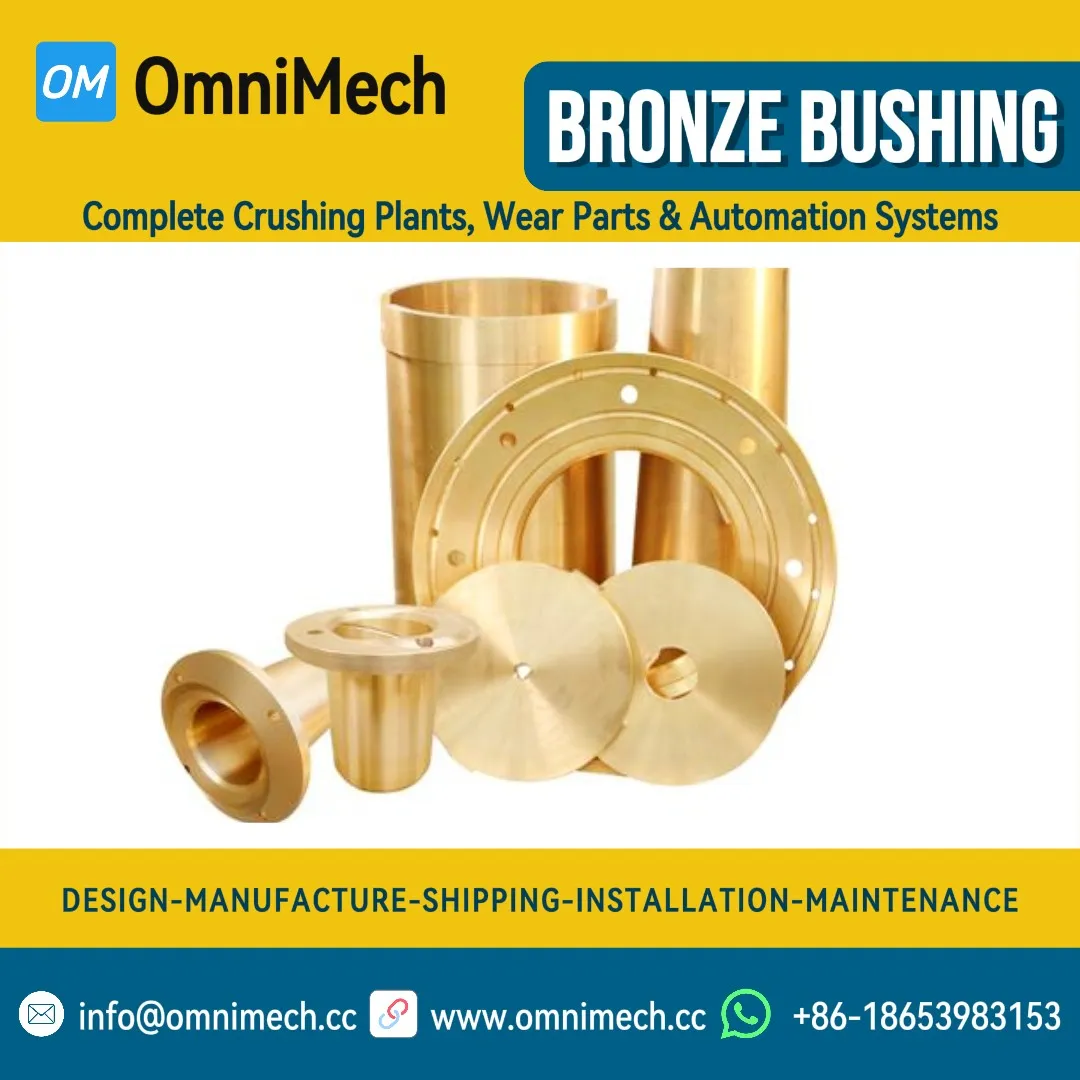
- Main shaft eccentric wear — premature bronze bushing failure
- Capacity reduction of 20%-30%
Correct approach: Ensure feed is evenly distributed across the full 360° of the crushing chamber. Use a distribution plate or feed chute to achieve centered feeding.
Summary and Recommendations
| Selection Factor | Key Decision | Recommended Model |
|---|---|---|
| Material hardness ≥ 5, high abrasion | ✅ Suitable for SCHC | All GP models |
| Design capacity 35-140 t/h | Small line / mobile plant | GP11 |
| Design capacity 85-310 t/h | Medium line | GP220 |
| Design capacity 145-460 t/h | Medium-to-large line | GP300 |
| Design capacity 140-590 t/h, large feed | Large line | GP330 |
| Design capacity 320-1010 t/h | Ultra-large line | GP500 |
| Secondary crushing chamber | Large block feed | C chamber / EC chamber |
| Tertiary crushing chamber | Fine product | M chamber / F chamber |
| Liner material (hard rock) | High impact duty | Mn18Cr2 / Mn22Cr2 |
| Liner material (soft rock) | Low impact duty | Alloy steel / Mn13Cr2 |
| Pursuing ultimate product shape | Premium aggregates | HP300 Multi-Cylinder Cone Crusher |
| Limited budget | Simple duty | PYB1200 Spring Cone Crusher |
Single-cylinder hydraulic cone crusher selection is fundamentally about optimizing the four-dimensional solution of material characteristics, chamber matching, capacity requirements, and liner costs. Choosing the right model, chamber, and liner material not only safeguards line capacity and product quality — it can save tens of thousands in wear parts and electricity costs over a 3-5 year operating period.
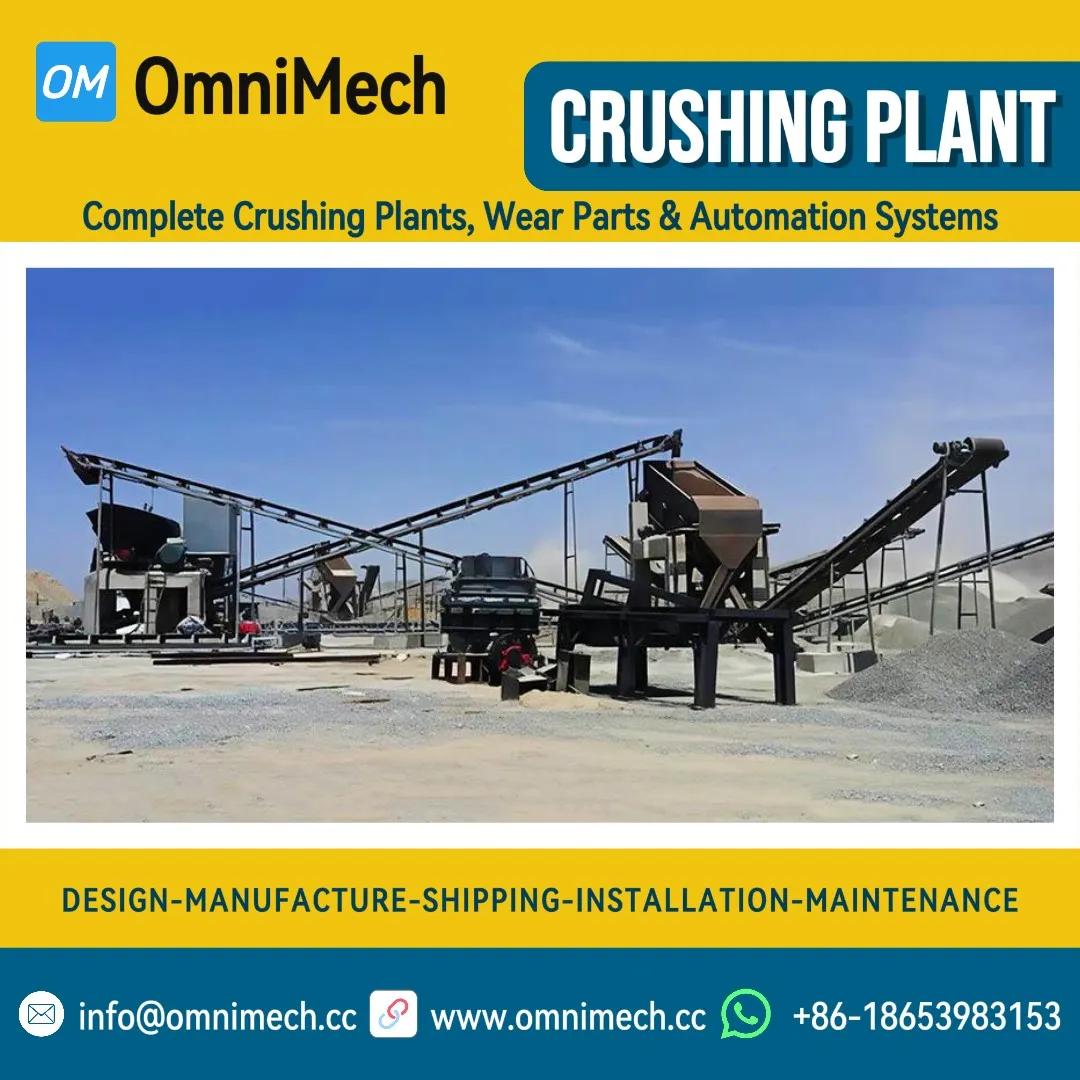
If you’re planning a new hard rock crushing line or upgrading an existing one, contact the OmniMech engineering team. We offer factory-direct pricing on the entire GP single-cylinder cone crusher series and can customize a complete process solution from primary crushing through screening.
👉 Request a Free Quote & Complete Line Process Solution Our engineering team will provide professional selection advice and competitive pricing within 24 hours!